






Vaping has become a popular alternative to smoking, offering a variety of flavors, customizable nicotine levels, and a smoke-free experience. However, it is not suitable for everyone, and understanding the Age appropriate for vaping for safety and legal compliance. Using Disposable Vapes at the wrong age can impact health, brain development, and addiction risk, making it essential to be informed before starting.
Ensuring age-appropriate vaping helps protect young people while allowing adults to make responsible choices for quitting smoking or enjoying nicotine in a controlled way. In this guide, we’ll explore who should vape, legal age limits, and the health considerations related to age.
read more: Vape Gear Travel Tips
vaping advertising to youth
Vaping has surged in popularity over the past decade, but along with its rise comes a growing concern: the impact of vaping advertising on youth. Bright packaging, sweet flavors, and social media campaigns often target younger audiences — intentionally or not — creating curiosity and normalizing nicotine use at an early age. Studies show that exposure to vaping promotions increases the likelihood of experimentation among teens, potentially leading to nicotine addiction before they even consider traditional smoking.

read more: Al Fakher Vapes vs Fummo Vapes review
Marketing strategies such as influencer promotions, flashy visuals, and youth-oriented flavors like bubblegum or candy are particularly effective at capturing attention. This has prompted regulators in many countries to tighten restrictions on vape advertising, emphasizing that nicotine products are intended only for adults seeking a smoking alternative.
The reality is clear: while vaping can be a useful tool for adult smokers, advertising to youth poses serious public health risks. Awareness, education, and responsible marketing are crucial to prevent a new generation from becoming addicted to nicotine through cleverly designed campaigns.
read more: Best Disposable Vapes 2025 | best review
Effects of Vaping in Teens
The rise of teens vaping has become a major public health concern. Nicotine exposure during adolescence can alter brain development, impacting memory, attention, and impulse control. Teens who vape are also at higher risk of developing long-term nicotine dependence, which can make quitting later much more difficult. Beyond nicotine, inhaling chemicals from e-liquids can irritate the lungs, reduce respiratory function, and potentially increase susceptibility to respiratory infections. Understanding the effects of vaping in teens is essential for parents, educators, and policymakers to protect young people from these hidden dangers.

effects of vaping in young people
Vaping isn’t just a teen issue; effects of vaping in young people can extend to anyone under 25, when the brain is still maturing. Early nicotine use can interfere with neural pathways, affecting learning, emotional regulation, and decision-making. Additionally, exposure to vaping can normalize nicotine use, making experimentation with other tobacco products more likely. Awareness of these risks is crucial for preventing long-term addiction and safeguarding the health of young populations.
read more: Elf Bar Disposable Vapes vs Pod Kit Review 2026
What is Legal Age for Vaping?
The legal age for vaping varies by country, but most jurisdictions set it at 18 or 21 to protect adolescents from the harmful effects of vaping in teens and young people. Retailers are legally required to verify age before selling vape products, and failing to comply can result in hefty fines or penalties. Knowing the legal age for vaping ensures that nicotine products remain accessible only to adults who can make informed, responsible decisions about their use.
Health Implications for Underage Users
Young people vaping face serious health risks that go beyond the immediate effects of nicotine. Adolescents’ brains are still developing, and nicotine exposure can interfere with memory, attention, and impulse control. Moreover, vaping introduces harmful chemicals into the lungs, increasing the risk of respiratory irritation, reduced lung function, and long-term respiratory issues.
Youth people vaping are also at higher risk of developing nicotine addiction, making it harder to quit in the future and potentially leading to experimentation with traditional cigarettes or other substances. Understanding these health implications for underage users is essential for parents, educators, and policymakers to protect young people and encourage safe, age-appropriate decisions regarding nicotine use.
read more: Guide to Choosing the Right E-Liquid for Your Vape Device
Vaping for Adults: Safe and Responsible Use
For adults, vaping can serve as a safer alternative to traditional smoking or a tool for quitting cigarettes altogether. When used responsibly, it delivers nicotine without the harmful tar, carbon monoxide, and thousands of toxic chemicals produced by burning tobacco. Adult vapers can control their nicotine intake, choose high-quality e-liquids, and adjust device settings for a satisfying and personalized experience.
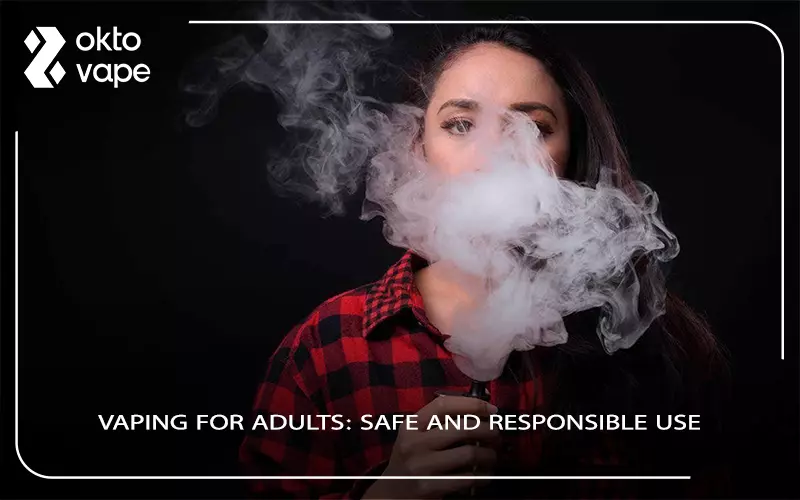
Safe and responsible vaping means understanding your device, following manufacturer instructions, maintaining coils and batteries properly, and avoiding low-quality or unverified e-liquids. By doing so, adults can enjoy vaping as a controlled, lower-risk option while reducing the health consequences associated with conventional smoking. This approach emphasizes moderation, awareness, and informed decision-making, making vaping a practical and safer choice for adult nicotine users.
read more: Common Vaping Mistakes
Parental Guidance and Education
Parents play a crucial role in protecting teens from the risks associated with vaping. Open communication, education, and awareness are key to helping adolescents understand the dangers of nicotine and chemicals in e-liquids. By discussing the long-term effects of teens vaping and setting clear expectations, parents can reduce curiosity-driven experimentation and encourage healthier choices.
Education goes beyond conversation; it includes monitoring for signs of youth vaping, guiding responsible behavior, and providing resources about quitting or avoiding nicotine entirely. Empowering young people with knowledge about the consequences of youth people vaping not only protects their health but also fosters critical thinking, helping them make informed decisions in a society where vaping is widely marketed and accessible.
read more: Vaping and mental health
Enforcement and Penalties for Underage Vaping
Governments around the world have implemented strict enforcement measures to prevent underage vaping and protect young people from nicotine addiction. Selling or providing e-cigarettes to minors is illegal in most jurisdictions, and violations can result in hefty fines, license suspension, or even criminal charges for retailers.
For teens, being caught with vaping devices or e-liquids can lead to school disciplinary actions, mandatory education programs, or community service. These penalties for underage vaping are designed not only to enforce the law but also to raise awareness about the risks of nicotine use at a young age. By understanding these rules, parents, educators, and youth themselves can help reduce youth people vaping and promote safer, age-appropriate decisions regarding nicotine products.

read more: Advantages and disadvantages of vaping
Conclusion
Vaping offers a promising alternative for adults looking to quit smoking or enjoy nicotine in a controlled way, but it is not suitable for minors. Understanding the legal age, health risks, and responsible usage is critical to protecting young people and ensuring safe practices. Parents, educators, and policymakers play a key role in guiding teens, while adults can benefit from vaping responsibly as part of a healthier lifestyle. Awareness, education, and enforcement work together to minimize risks, prevent underage use, and support informed decisions around vaping.
Frequently Asked Questions (FAQ)
What is the legal age for vaping?
The minimum age varies by country but is typically 18 or 21. Retailers must verify age before selling vaping products.
Why is vaping risky for teens?
Young people vaping are at higher risk of nicotine addiction, impaired brain development, and respiratory issues due to exposure to harmful chemicals.
Can adults vape safely?
Yes. Responsible adult vaping includes using high-quality devices and e-liquids, maintaining equipment, and controlling nicotine intake.
How can parents prevent youth vaping?
Open communication, education about the effects of vaping in teens, monitoring, and setting clear rules are essential for prevention.


