
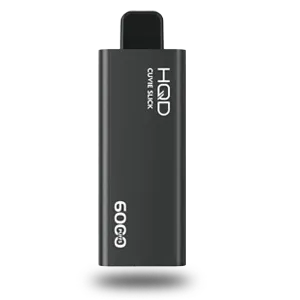



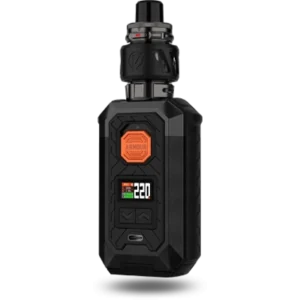
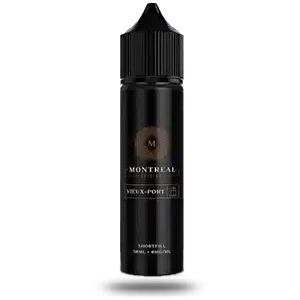

Traveling with vape gear can be a seamless experience if you’re well-prepared and informed about the rules and regulations surrounding air travel. Whether you’re a seasoned vaper or new to the scene, understanding how to navigate airports, comply with airline policies, and adhere to international laws is crucial for a stress-free journey. This comprehensive guide on Vape Gear Travel Tips from oktovape covers everything you need to know, from flying with vapes to packing vape juice for travel, ensuring you can bring your vaping devices safely and legally. Below, we’ll dive into TSA vape rules, airport rules for vaping, traveling with vape batteries, international vape laws, and practical advice on how to pack a vape for a flight.
Understanding TSA Vape Rules
When planning to travel with your vape gear, the first step is to familiarize yourself with the TSA vape rules. The Transportation Security Administration (TSA) in the United States has clear guidelines for carrying vaping devices and related accessories through airport security. According to the TSA, electronic smoking devices, including vape pens, mods, and e-cigarettes, are only permitted in carry-on luggage or on your person. They are strictly prohibited in checked baggage due to the presence of lithium-ion batteries, which pose a fire risk in the cargo hold.
Key TSA Vape Rules:
- Carry-On Only: All vaping devices, including disposable vapes, pod systems, and mods, must be packed in your carry-on bag or kept on your person. Never place them in checked luggage.
- Battery Safety: Lithium-ion batteries in vaping devices must not exceed a watt-hour (Wh) rating of 100 Wh, or for lithium metal batteries, a lithium content of 2 grams. Always check your device’s battery specifications to ensure compliance.
- Device Preparation: To prevent accidental activation, ensure your vape device is powered off. Some devices may require you to remove the battery or use a protective cover or safety latch to secure the heating element.
- Screening Process: At the security checkpoint, you’ll need to remove your vape devices and batteries from your carry-on bag and place them in a separate bin for X-ray screening. Be prepared to explain what the device is if asked by TSA officers.
By adhering to these TSA vape rules, you can avoid delays or confiscation at security checkpoints. Always check the TSA’s official website or contact your airline for any additional requirements before traveling.
Can I Take a Vape on a Plane?

A common question among vapers is, “Can I take a vape on a plane?” The short answer is yes, but with strict conditions. As mentioned, vapes must be carried in your carry-on luggage or on your person, not in checked baggage. This applies to all types of vaping devices, including disposable vapes, vape pens, and larger mods.
— Mundo Deportivo summarizing TSA rules
The TSA clarifies … that it is strictly prohibited to check these devices in checked luggage—they can only be carried on board in carry‑on bags.
Important Considerations:
- No Vaping on Planes: Vaping is strictly prohibited on all commercial flights, just like smoking. Airlines treat vaping the same way as traditional cigarettes, and attempting to vape in the cabin or restroom can result in severe penalties, including fines, flight bans, or legal action. Many planes are equipped with vapor detectors in restrooms, making discreet vaping a risky endeavor.
- Airline Policies: Each airline may have additional rules regarding the number of vaping devices or batteries allowed. For example, EasyJet permits electronic cigarettes and two spare batteries in carry-on luggage, while Emirates bans the use of e-cigarettes onboard. Always check your airline’s specific policies before flying.
- Underage Vapers: The TSA does not have specific age restrictions for carrying vapes through security, but local laws at your departure or destination may prohibit vaping for those under the legal age (typically 19–21, depending on the region). Check local regulations to avoid issues.
By following these guidelines, you can confidently answer “Can I take a vape on a plane?” and ensure compliance with airline and TSA regulations.
Airport Rules for Vaping
Navigating airport rules for vaping is another critical aspect of traveling with vape gear. Vaping policies vary by airport, and it’s essential to understand where and when you can use your vape to avoid fines or confiscation.
Vaping in Airports:

- Designated Smoking Areas: Most airports prohibit vaping indoors except in designated smoking areas or lounges. These areas are often located outside the terminal or in specific zones within the airport. For example, UK airports like Gatwick and Heathrow restrict vaping to designated smoking areas, and using a vape elsewhere may result in a fine.
- No Vaping in Terminals: Vaping inside the terminal, including in waiting areas or near gates, is generally treated the same as smoking and is prohibited. Always check the airport’s policy online or look for signage indicating designated vaping areas.
- Charging Restrictions: Some airports allow charging vape devices before boarding, but you must power off the device and return it to your carry-on luggage before boarding. Check the airport’s policy on charging electronic devices.
Use designated smoking areas before and after your flight and make sure you have enough charged electronics and batteries for the duration of your trip, especially during long layovers.
also read: How Much Nicotine Is in a Cigarette Compared to a Vape?
Packing Vape Juice for Travel
Packing vape juice for travel requires careful attention to TSA’s liquid restrictions and precautions to prevent leaks due to cabin pressure changes. The TSA’s 3-1-1 rule applies to e-liquids, just like other liquids and gels.

TSA 3-1-1 Rule for Vape Juice:
| Rule/Item | Description |
| Container Size | Each e-liquid bottle must be 3.4 ounces (100 ml) or less. |
| Single Quart Bag | All liquids, including vape juice, must fit into a single, clear, quart-sized, resealable plastic bag. Only one bag is allowed per passenger. |
| Separate Screening | At the security checkpoint, remove the plastic bag containing your e-liquids and place it in a bin for separate X-ray screening. |
Tips to Prevent Leaks:
- Half-Full Tanks: Cabin pressure changes can cause vape tanks to leak. Empty your tank or keep it no more than half full before boarding.
- Secure Bottles: Place e-liquid bottles in a sealed plastic bag to contain potential leaks. Silicone or leak-proof bottles are ideal for travel.
- Checked Baggage Option: If you need to bring more than 100 ml of vape juice, you can pack larger bottles in your checked luggage, as the 3-1-1 rule only applies to carry-on bags. However, wrap bottles in plastic bags or bubble wrap to prevent leaks or breakage.
CBD and THC Considerations:
- Hemp-Derived CBD: In the U.S., hemp-derived CBD products with less than 0.3% THC are permitted in carry-on luggage, per the 2018 Farm Bill. However, state or local laws may differ, so check regulations at your destination.
- THC Products: Marijuana and THC-containing vape products are illegal under federal law and are prohibited on all U.S. flights, even if legal in your departure or destination state. Avoid traveling with these products to prevent legal issues.
For international travel, research the destination country’s laws regarding vape juice, as some countries ban nicotine or flavored e-liquids outright.
Traveling with Vape Batteries

Traveling with vape batteries requires extra caution due to the fire risk posed by lithium-ion batteries. The Federal Aviation Administration (FAA) and TSA have strict regulations to ensure safety.
Battery Safety Guidelines:
- Carry-On Only: All vape batteries, whether installed in devices or spare, must be packed in your carry-on luggage. They are prohibited in checked baggage.
- Watt-Hour Limits: Batteries must not exceed 100 Wh. To calculate watt-hours, multiply the voltage (V) by the ampere-hours (Ah). For example, a 3.7V battery with 2.5Ah is 9.25 Wh, well within the limit. High-powered mods with larger batteries may require special attention.
- Protective Cases: Store spare batteries in padded carriers or plastic sleeves to prevent contact with metal objects, which could cause a short circuit.
- Power Off Devices: Ensure all vaping devices are turned off to prevent accidental activation. Disconnect batteries from tanks or pods if possible.
- Limit Quantities: Some airlines restrict the number of spare batteries allowed (e.g., EasyJet allows two spare batteries). Check your airline’s policy to avoid issues.
also read: Vape Battery Safety Guide + Full description
International Vape Laws
International vape laws vary significantly, and failing to research your destination’s regulations can lead to confiscation, fines, or legal consequences. While many countries, particularly in Europe, allow vaping, others have strict bans.
Key International Vape Laws:

- Complete Bans: Countries like Thailand, Singapore, and India have outright bans on vaping, including possession and use. Bringing a vape to these countries can result in fines or imprisonment.
- Sales Restrictions: In the UK, vape juice is limited to 20 mg/ml nicotine strength, and disposable vapes are banned as of June 1, 2025. Ensure you comply with local restrictions when purchasing or carrying e-liquids.
- Customs Regulations: Even if an airline allows vapes on a flight, your destination country may confiscate them upon arrival if vaping is prohibited. Research customs laws through your country’s State Department or the destination’s official government websites.
- Regional Variations: Within countries, regulations may differ. For example, some U.S. states have stricter vaping laws than others, and Australian states vary in their nicotine vape policies.
Before traveling, check resources like the World Health Organization or travel forums for up-to-date information on vaping laws in your destination. Always err on the side of caution and avoid bringing vapes to countries with unclear or strict regulations.
How to Pack a Vape for a Flight
How to pack a vape for a flight is a critical skill to master to ensure compliance and protect your gear. Proper packing prevents leaks, damage, and security issues.
Step-by-Step Packing Guide:
- Empty or Half-Fill Tanks: To avoid leaks due to cabin pressure changes, empty your vape tank or fill it no more than half full.
- Disassemble Devices: If possible, disassemble your vape by removing the tank, pod, or battery to prevent accidental activation. Store parts in a secure vape carry case.
- Pack Batteries Safely: Place spare batteries in protective cases or sleeves to prevent short circuits. Keep them in your carry-on luggage.
- Secure E-Liquids: Place e-liquid bottles (100 ml or less) in a clear, quart-sized, resealable plastic bag for carry-on luggage. For checked luggage, wrap larger bottles in plastic bags or bubble wrap to prevent leaks.
- Use a Vape Carry Case: Invest in a dedicated vape carry case to organize your device, batteries, and e-liquids. This makes it easier to access your gear during security checks and protects it from damage.
- Label Your Gear: Clearly label your vape gear to avoid confusion during security screenings. Be prepared to explain the purpose of your devices if asked.
- Check Airline Limits: Some airlines limit the number of devices or batteries you can carry (e.g., 15–20 disposable vapes). Verify these restrictions before packing.
Additional Packing Tips:

- Bring Extras: Pack extra e-liquid and batteries to account for delays or layovers. Ensure all e-liquids comply with the 3-1-1 rule for carry-on bags.
- Clean Devices: For international travel, clean your vape thoroughly to remove any residue, especially if traveling to countries with strict regulations. Use Q-tips and isopropyl alcohol to scrub all parts.
- Backup Plan: In case your vape is confiscated, consider carrying a backup device or a self-addressed package to mail your gear home.
By following these steps, you can pack your vape gear efficiently and minimize the risk of issues during your journey.
Additional Vape Gear Travel Tips
Beyond the core regulations, here are some practical Vape Gear Travel Tips to enhance your travel experience:
- Plan for Cravings: Since vaping is prohibited on flights and in most airport terminals, consider bringing nicotine replacement products like patches or gum to manage cravings during travel.
- Research Airport Facilities: Check if your departure and arrival airports have designated smoking areas or vaping lounges. This can help you plan your vaping breaks.
- Stay Updated: Vaping regulations change frequently, especially internationally. Regularly check the TSA, FAA, and airline websites for the latest guidelines.
- Avoid THC Products: Traveling with THC or cannabis-derived products, including some CBD oils, is risky due to federal and international laws. Leave these at home to avoid legal trouble.
- Choose Travel-Friendly Vapes: Opt for compact, low-maintenance devices like prefilled pod kits or disposable vapes for easier travel. These take up less space and are less likely to leak.
- Be Respectful: Even in designated vaping areas, be mindful of others. Avoid vaping in crowded spaces or near non-vapers to maintain a positive image for the vaping community.
Conclusion

Traveling with vape gear requires careful planning and adherence to regulations, but with the right preparation, you can enjoy a hassle-free journey. By following TSA vape rules, understanding airport rules for vaping, and researching international vape laws, you can confidently bring your vape on a plane. Proper packing techniques, such as securing batteries and e-liquids, are essential to prevent leaks and ensure compliance. Whether you’re flying with vapes, packing vape juice for travel, or traveling with vape batteries, this guide provides all the Vape Gear Travel Tips you need for a smooth and stress-free experience. Always check with your airline and destination country for the latest regulations, and pack smart to keep your vape gear safe and secure.
Frequently Asked Questions (FAQs):
1.Can I bring my vape in my carry-on luggage?
Yes, according to TSA regulations, vaping devices such as disposable vapes, vape pens, and mods are only permitted in carry-on luggage or on your person. Placing vapes in checked baggage is prohibited due to the presence of lithium-ion batteries, which pose a fire risk.
2.Can I vape in the airport or on the plane?
No, vaping is prohibited on all commercial flights and in most indoor airport areas. Many airports have designated smoking or vaping areas, typically outside the terminal or in specific zones. Check the airport’s vaping policy beforehand to avoid fines.
3.How should I pack vape juice for travel?
Vape juice must be in bottles of 100 ml or less, placed in a single, clear, quart-sized, resealable plastic bag per TSA’s 3-1-1 rule for carry-on luggage. To prevent leaks, empty your vape tank or fill it no more than half full, and store bottles in leak-proof bags.


