






Vaping is often seen as a safer alternative to smoking, but its impact goes beyond the lungs. Emerging research shows that vaping can influence mental health, affecting mood, stress levels, and cognitive function. For some users, nicotine can provide temporary relief from anxiety or improve focus, but over time, dependence may lead to increased stress, irritability, or sleep disturbances.
Understanding the connection between vaping and mental health is essential for both casual users and those looking to quit smoking. By exploring how nicotine interacts with the brain, the potential risks of addiction, and the psychological effects of vaping, individuals can make more informed choices that support both their physical and mental well-being.
read more: The Best Easy-to-Use Vape Kits in 2025: A Beginner’s Guide
Nicotine and Mood Effects
Nicotine is the key active ingredient in most vaping products, and its interaction with the brain can have noticeable psychological effects. How vaping affects mental health is closely tied to nicotine’s ability to stimulate the release of neurotransmitters like dopamine, which can temporarily enhance mood, improve focus, and create a sense of mild euphoria. Many users report feeling calmer or more alert immediately after vaping, which explains why some turn to it during stressful situations.
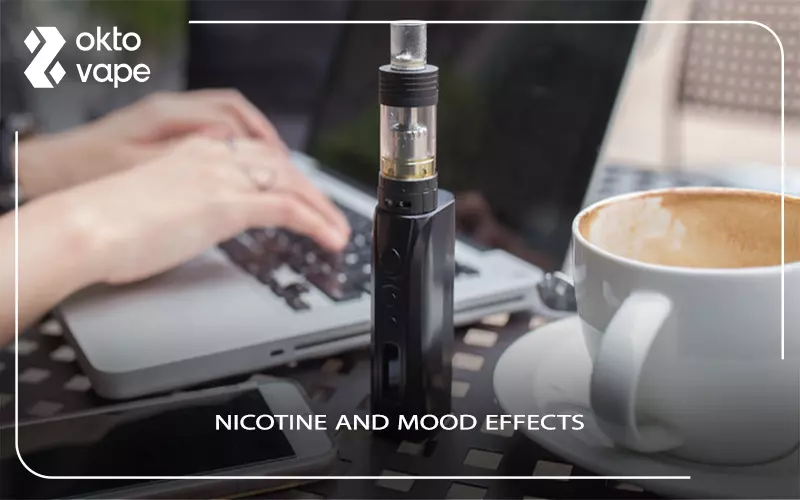
However, these effects are often short-lived, and frequent use can lead to dependence, mood fluctuations, and irritability when nicotine levels drop. Understanding how vaping affects mental health through its impact on brain chemistry helps users recognize both the temporary benefits and the potential risks of repeated exposure. This knowledge is crucial for making informed decisions about vaping while maintaining overall psychological well-being.
read more: Your Step-by-Step Vape Tank Cleaning Guide: For Better Flavor & Longer Life
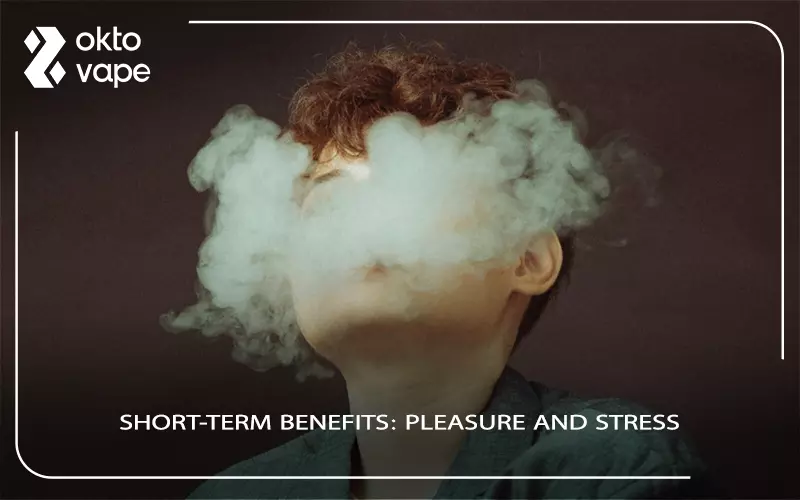
Short-Term Benefits: Pleasure and Stress Relief
Many vapers experience immediate sensations of relaxation and mild euphoria, which can make vaping feel like a quick way to unwind. Nicotine stimulates dopamine release, creating pleasurable effects and temporary stress relief that some users find helpful in managing daily pressures. These short-term benefits can make vaping appealing, particularly for adults seeking a controlled alternative to smoking.
However, it’s important to ask: Can Disposable Vapes cause mental health issues over time? While the initial mood-boosting effects are noticeable, repeated use can contribute to dependence, irritability, and anxiety when nicotine levels drop. Recognizing the distinction between temporary relief and long-term mental health risks is essential for making informed choices about vaping.
Anxiety, Irritability, and Withdrawal
While vaping can provide temporary relief and a sense of relaxation, frequent nicotine use can also lead to mental health and nicotine-related challenges. Dependence on nicotine means that when levels drop, users may experience withdrawal symptoms that include heightened anxiety, irritability, and difficulty concentrating. These effects highlight the delicate balance between the short-term mood benefits of vaping and the potential for long-term psychological consequences.
read more: That Burnt Coil Vape: 5 Reasons You Must Avoid Vaping on a Burnt Coil
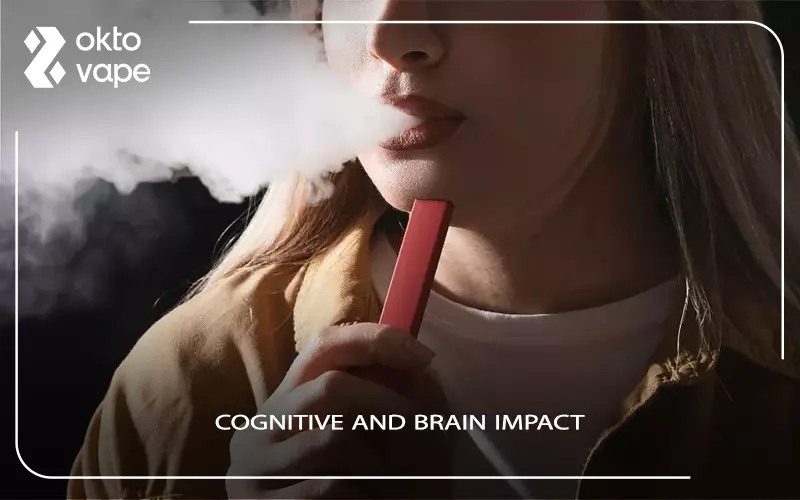
Cognitive and Brain Impact
Vaping, particularly among younger users, can have significant implications for brain function. Nicotine interacts with neural pathways responsible for learning, memory, and attention, which means that frequent exposure may alter cognitive processes over time. Understanding the mental health effects of vaping is crucial, as changes in brain chemistry can contribute to reduced focus, impaired decision-making, and heightened susceptibility to mood disorders.
Even in adults, regular vaping can reinforce patterns of dependence, subtly affecting motivation and cognitive performance. By examining the cognitive and brain impact of vaping, users can make more informed choices, balancing short-term enjoyment with awareness of the potential long-term effects on mental well-being.
Common withdrawal and mood effects include:
- Increased anxiety: Feeling restless or uneasy when nicotine levels decrease.
- Irritability: Heightened frustration and mood swings during periods without vaping.
- Difficulty focusing: Impaired attention or concentration as the brain adjusts to lower nicotine levels.
- Sleep disturbances: Trouble falling asleep or staying asleep, which can exacerbate stress.
- Cravings and compulsive behavior: Strong urges to vape that interfere with daily routines.
read more: Air Bar Vape vs Elf Bar Vape Review
Social and Psychological Influences
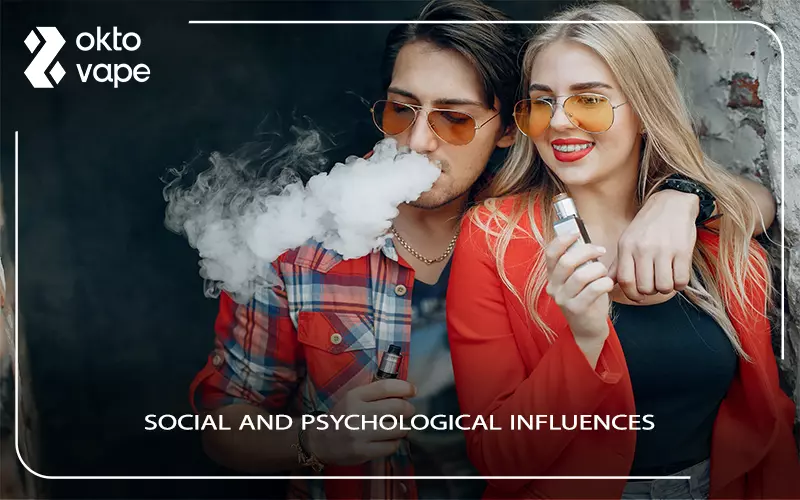
Vaping is not just a personal habit; it is deeply intertwined with social and psychological factors. Peer influence, cultural trends, and online communities can strongly affect perceptions of vaping, particularly among adolescents and young adults. These social pressures can normalize teens vaping, creating an environment where experimentation seems acceptable or even desirable.
Psychologically, vaping can become a coping mechanism for stress, boredom, or emotional regulation, reinforcing habitual use. Over time, the combination of social reinforcement and nicotine dependence can influence behavior, mood, and self-identity. Understanding these social and psychological influences is crucial for evaluating how vaping shapes mental habits, informs risk-taking behaviors, and impacts overall mental well-being.
Balancing Awareness: Informed Choices
Vaping can offer temporary pleasure, stress relief, and a controlled alternative to smoking, but it is essential to approach it with awareness and responsibility. Understanding the short-term effects, potential risks, and social influences allows users to make informed decisions without underestimating the impact on mental health.
By staying educated about how vaping affects mental health, recognizing signs of nicotine dependence, and being mindful of usage patterns, individuals can enjoy the benefits of vaping while minimizing negative consequences. Making informed choices ensures that vaping remains a personal, controlled experience rather than a habit that unintentionally affects mood, cognition, or long-term psychological well-being.
read more: Best Disposable Vapes 2025 | best review
Conclusion
Vaping has emerged as a popular alternative to traditional smoking, offering short-term mood boosts, stress relief, and a customizable nicotine experience. However, understanding the broader mental health effects of vaping is crucial for making informed choices. While adults may benefit from controlled use, adolescents and young people are particularly vulnerable to nicotine dependence, cognitive impacts, and social pressures. Balancing the short-term enjoyment with awareness of potential risks ensures responsible use, protects mental well-being, and promotes safer decision-making.
read more: What Does “No Atomizer” Mean on My Vape?
Frequently Asked Questions (FAQ)
Can vaping affect mental health?
Yes. Vaping can influence mood, stress levels, cognition, and, over time, contribute to nicotine dependence that affects mental well-being.
Are teens at higher risk from vaping?
Absolutely. Teens vaping face greater risks due to developing brains, including impaired memory, attention, and increased likelihood of long-term nicotine addiction.
Does vaping help with stress relief?
Vaping can provide short-term relaxation and mild euphoria, but reliance on nicotine for stress management may lead to withdrawal symptoms and mood fluctuations.
What are the social influences on vaping?
Peer pressure, cultural trends, and online communities can normalize youth people vaping, making adolescents more likely to experiment and form habits.
Can adults vape safely?
Yes. Responsible adult vaping includes using high-quality devices and e-liquids, monitoring nicotine intake, and maintaining devices properly to reduce health risks.


